


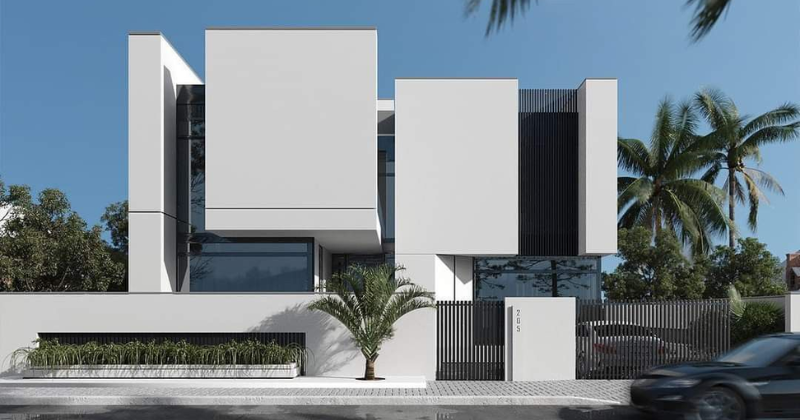
WHAT ARE THE CURRENT AND FUTURE TRENDS IN VILLA DESIGN?
Current villa design trends are undergoing significant changes compared to the past and even in the future, reflecting the continuous development of technology and the increasing demand for a higher quality of life. Join URHOUSE in exploring this topic in more detail in the article below!
What is a villa?
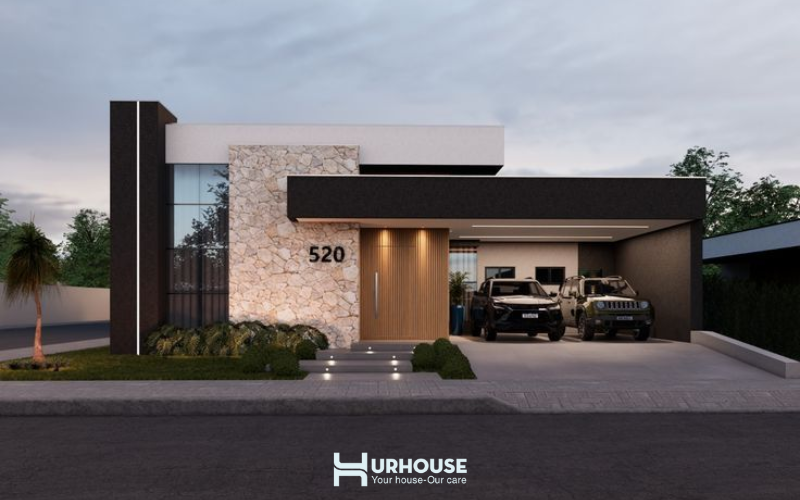
What is a villa? When did it first appear?
The image of a villa in most people’s minds is likely a spacious property with a long driveway and a large garden. In Vietnamese, “villa” means “biệt thự,” referring to a high-end accommodation model. It is a standalone building with an outdoor yard, garden, or front terrace. The structure of a villa typically includes multiple rooms, such as a living room, several bedrooms, and a private swimming pool.
Villas date back to ancient Rome, where they were typically owned by wealthy citizens and used as retreats built far from the city, surrounded by agricultural land. In the past, villas symbolized the wealth and social status of their owners. Today, villas are more commonly found in residential areas and upscale urban developments. In the modern real estate market, villas can be either adjacent townhouses or standalone properties.
Future villa design trends
Villa design trends with green spaces
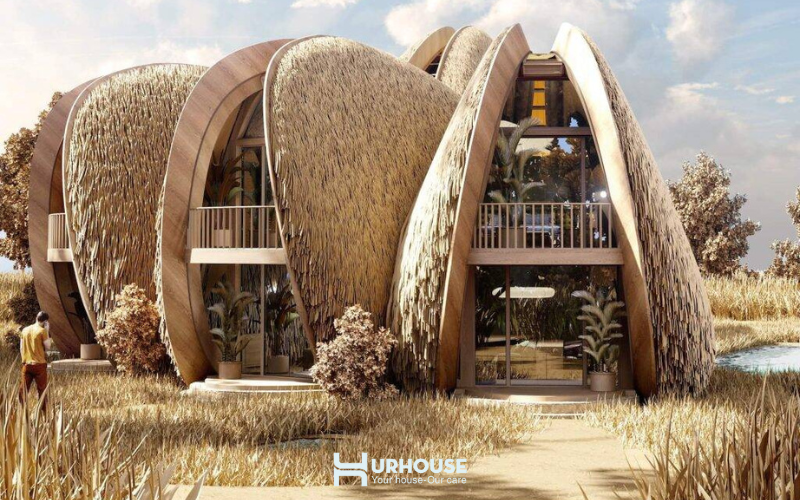
Shell House by K&B Partners – Using recycled materials in villa design trends
The biological revolution, integrating nature into living spaces, serves as a guiding principle in architecture in general and villa design trends in particular, aiming for a more sustainable living environment. Specifically:
- The design trend of “bringing nature into living spaces” helps create a comfortable, relaxing adn nature harmonised living environment.
- Using natural and sustainable materials: Plays a crucial role in minimizing negative environment impacts and creating a healthy living space.
- Using recycled wood: Instead of harvesting wood from primary forests, using recycled wood helps protect ecosystems and reduce carbon emissions.
- Natural insulation materials: Wool, plant fibers or recycled cellulose serve as insulation materials that not only save energy but also enhance long term energy efficiency. Recent studies have shown that mycelium – the vegetative part of a fungus – is being researched as an altternative material for construction. With excellent thermal and acoustic insulation properties, composite materials made from fungal fibers have the potential to replace to replace wood and plastic.
- Eco – friendly materials in interior design: Using VOC-free paint (volatile organic compounds), natural wood flooring and bamboo – based furnishings helps minimize negative impacts on human health and the environment.
- Natural light and open spaces: Designing with open spaces, such as a living room connected to a balcony, a garden or large windows, allows natural light to flow inside and creates a seamless connection with the outdoors. This enhances the sense of spaciousness, airiness and harmony with nature.
Smart home automation
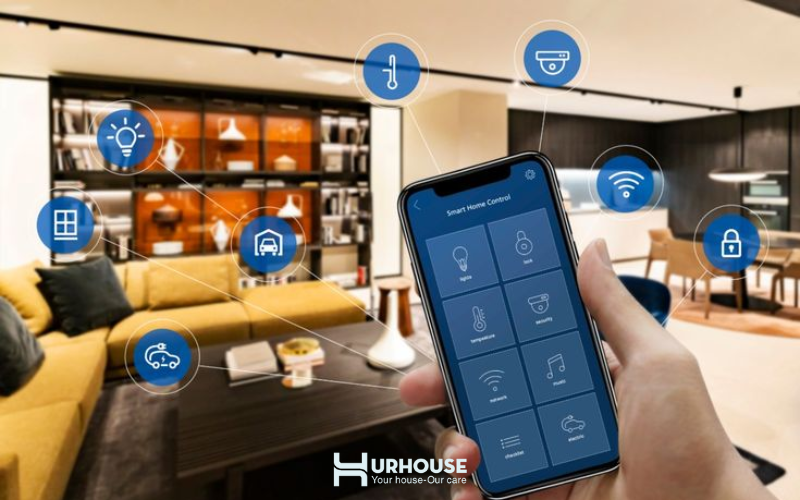
Smart home automation
Technology is increasingly being integrated into all fields, including architecture and construction, and it will continue to evolve and become more prevalent in homes in general and villas in particular. Smart home automation, with voice-activated devices, enables control over a wide range of connected smart systems, such as thermostats, lighting, and security systems.
Although AI has become widespread and plays a crucial role in assisting with control, temperature regulation, and enhancing security—all accessible through a smartphone screen—its increasing presence in daily life raises awareness of potential health risks associated with the electrical charges we are exposed to every day.
Focus on personalization
The trend of villa design focuses on personalization, creating a living space that perfectly aligns with individual aesthetics and lifestyle habits. Instead of generic design details, each villa is now meticulously customized to reflect the unique style and preferences of its owner.
A space tailored for a “special person”
One of the key villa design trends in the coming years will focus on creating spaces tailored for “special individuals,” such as children with developmental delays, people with disabilities, or the elderly—those who require special attention to safety and comfort.
The space should be designed to ensure easy accessibility for users. This includes eliminating high steps, incorporating gentle ramps or elevators, and ensuring wide hallways for seamless wheelchair mobility. Colors and lighting play a significant role in influencing mood and behavior. Therefore, soft color tones and natural lighting should be used to create a calming atmosphere and avoid overstimulation.
Additionally, the space should be flexible, allowing for adjustments based on the user’s evolving needs. Moreover, integrating smart technology can further assist residents in easily controlling their living environment.
Conclusion
With the continuous changes in the economy, society, and human needs, future villa design trends will keep evolving, setting new standards to maximize satisfaction and meet the owners’ demands.
