


THE IMPORTANCE OF NATURAl LIGHT IN ARCHITECTURE
In the context of a society increasingly focused on sustainability and energy efficiency, natural light serves as a key element in modern architectural design, helping to minimize environmental impact and enhance quality of life. Join URHOUSE in exploring the importance of natural light in architecture in the article below!
What is natural light in architecture
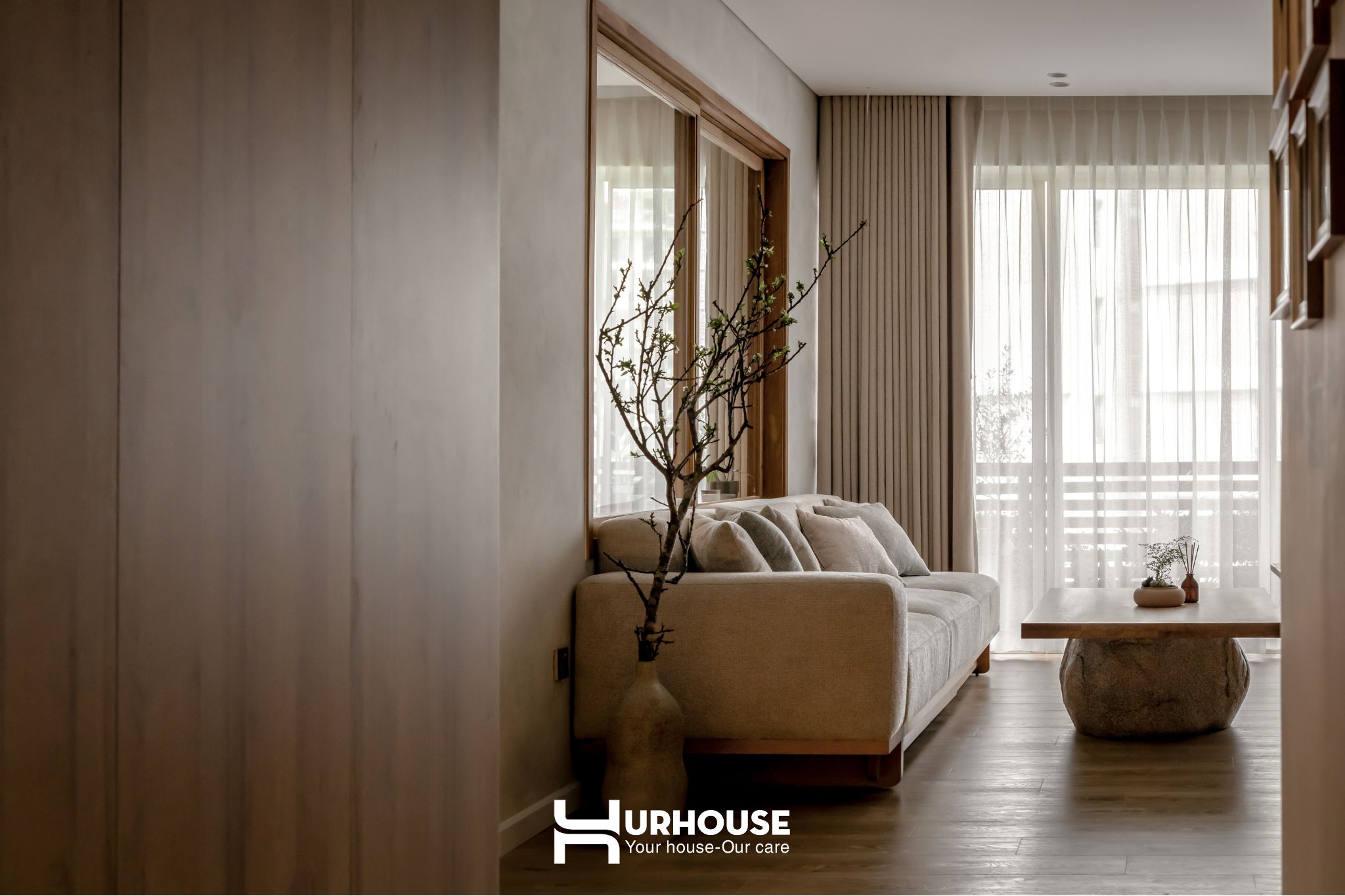
Natural light is a familiar concept in architecture. It originates from natural sources such as the sun and the moon, providing an abundant and free source of illumination while also creating a harmonious and pleasant connection within the space.
Read more: Các loại vật liệu thiết kế nội thất phổ biến
The importance of natural light in architecture
Enhancing the aesthetic appeal of the space
In lighting design, making use of natural light is essential to elevating the beauty of a space. Light has the ability to highlight architectural details and textures, showcasing the depth and design style of a home. Designers need to strategically arrange windows, skylights, and reflective surfaces to maximize the use of natural light.
Improve health
Studies have shown that exposure to natural light affects an individual’s circadian rhythm, helping to improve mood and reduce stress levels. By integrating more natural light into architectural design, spaces become more connected to nature, creating a sense of tranquility.
It can be said that incorporating natural light into a space is not only for aesthetic purposes but also for overall health and user comfort. Bringing natural light into architecture creates spaces that prioritize human well-being while still honoring the beauty of a home’s interior.
Protect the environment
Concerns about climate change and environmental pollution are becoming more pressing than ever. Architects and builders must seek ways to minimize environmental impact. Natural light reduces the need for artificial lighting and decreases reliance on cooling systems, thereby contributing to energy savings and environmental protection.
Prevent the growth of fungi and mold
Rooms without sufficient natural light become a breeding ground for mold and insects, making the space uncomfortable and gloomy. Natural light helps dry the air and damp surfaces, reducing the number of mold spores in the air and on surfaces.
Methods for integrating natural light into architecture
Integrating light into design requires architects to have professional expertise and a deep understanding of how light interacts with different materials. Based on the following methods:
Consider the orientation of the house
One of the most fundamental methods is to clearly determine the orientation of the house. Positioning the structure to maximize sunlight exposure helps reduce the need for artificial lighting and other cooling systems.
Window placement
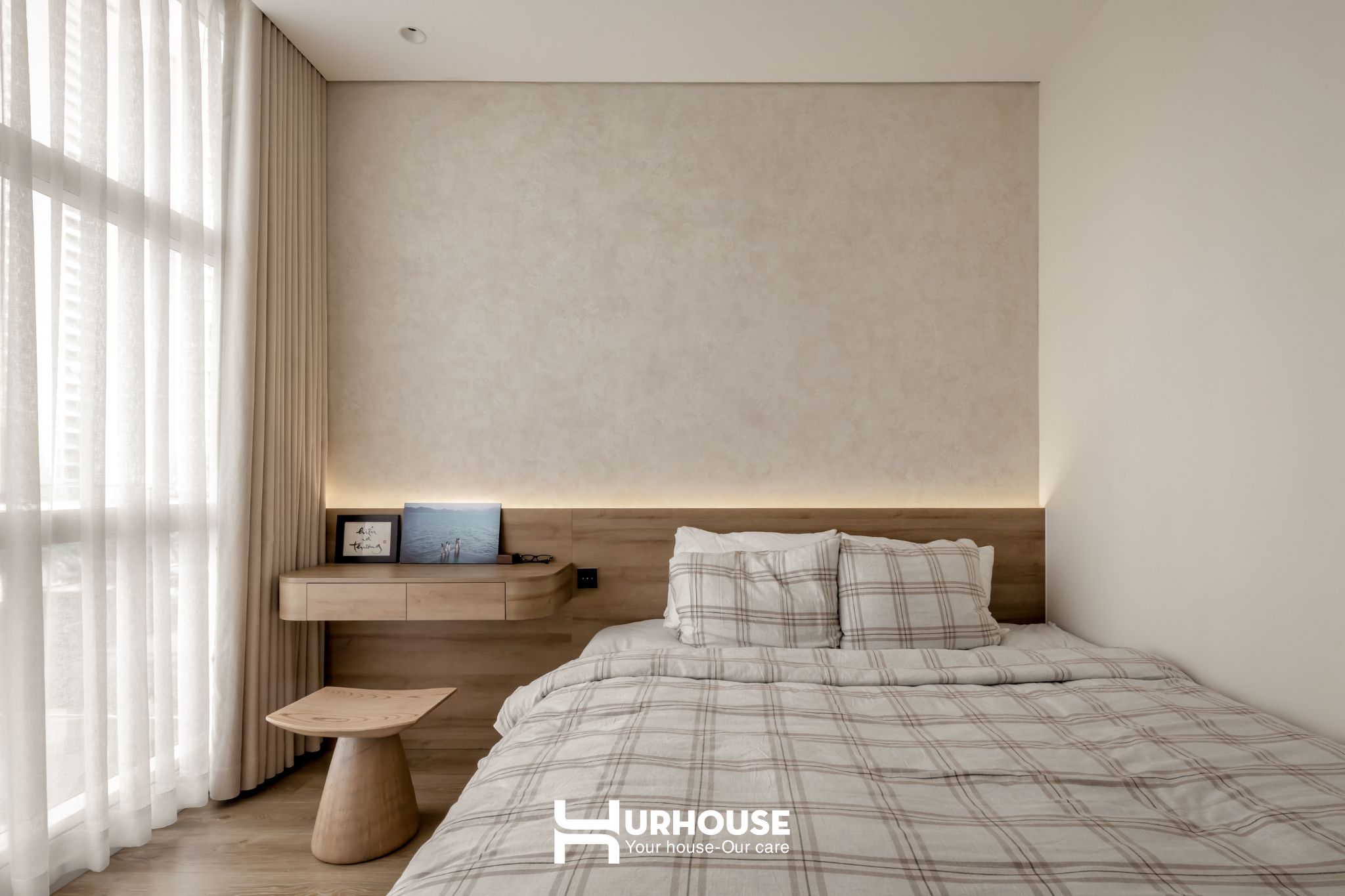
Choosing the appropriate window placement
The placement of windows plays a crucial role in bringing natural light into the living space. Specifically, east-facing windows receive more sunlight in the morning, while west-facing windows get stronger sunlight in the afternoon, making them suitable for spaces that need light later in the day, such as home offices or bedrooms. Similarly, north-facing windows provide consistent daylight throughout the day, whereas south-facing windows receive softer and cooler daylight.
Choosing reflective materials
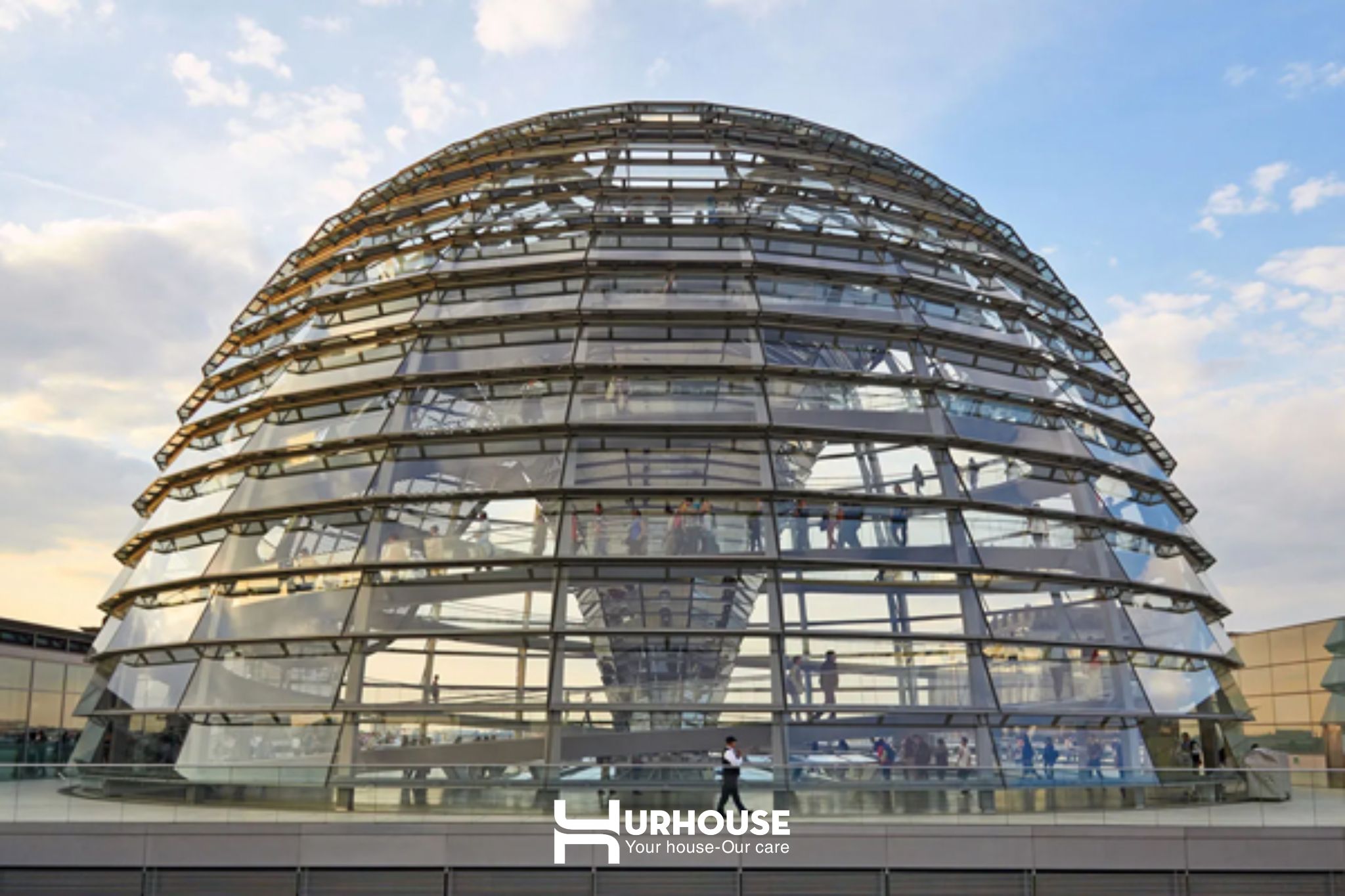
The Reichstag building, with its dome structure made of steel and glass, creates an exceptionally sharp reflection
Using reflective materials such as mirrors, light-colored furniture, or even a white wall helps create a harmonious combination with natural light. In lighting design, strategically placing these materials can make a significant difference.
Conclusion
We hope the following article provides you with a fresh perspective on the importance of natural light in architecture today. Don’t forget to follow URHOUSE’s website for more valuable insights!
