


“NHÀ RƯỜNG HUẾ”: THE DISTINCTIVE ARCHITECTURAL HERITAGE OF THE ANCIENT CAPIITAL
Nestled in the poetic land of the ancient capital, the timeless “Nhà Rường Huế” seem to whisper stories from centuries past. Every wooden column and intricate carving the breath of time and a unique cultural imprint. Have you ever wondered what makes these house an enduring symbol of the imperial city? Let’s uncover the serects behinds the rustic yet proud beauty of Hue’s traditional Rường houses – Where art, history and the Vietnames spirit converge.
An overview of “Nhà Rường”
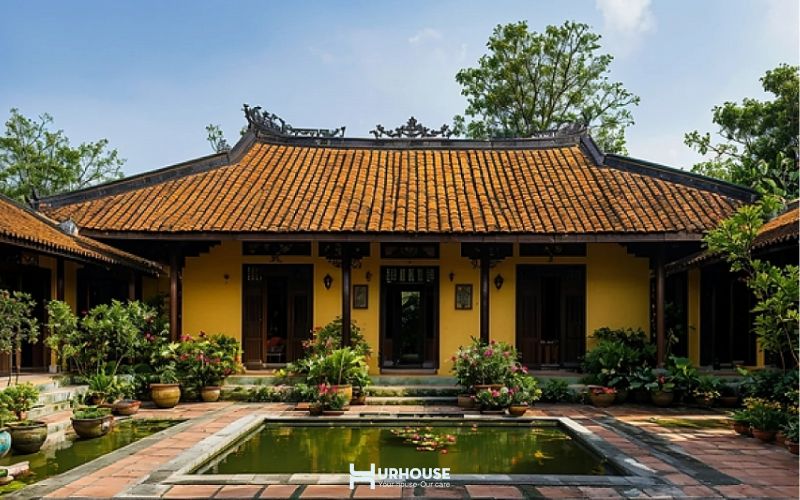
“Nhà Rường” houses of Hue have undergone a long and rich historical journey
“Nhà Rường” are a quintessential architectural and cultural symbol of Hue, embodying the essence and spirit of the ancient capital. With a history spanning nearly 400 years—first serving as the administrative capital of Đàng Trong (Southern Vietnam) and later as the imperial city of the nation— “Nhà Rường Huế” have continually absorbed, inherited, and innovated upon the finest traditional Vietnamese architectural elements.
Read more:
- Kiến trúc nhà vườn Việt Nam xưa
- Nhà vườn hay nhà phố: Góc nhìn từ xu hướng sống hiện đại
- Kết hợp vật liệu địa phương trong kiến trúc nhà vườn
Outstanding features in the architecture of “Nhà Rường Huế”
Structure and characteristic architecture
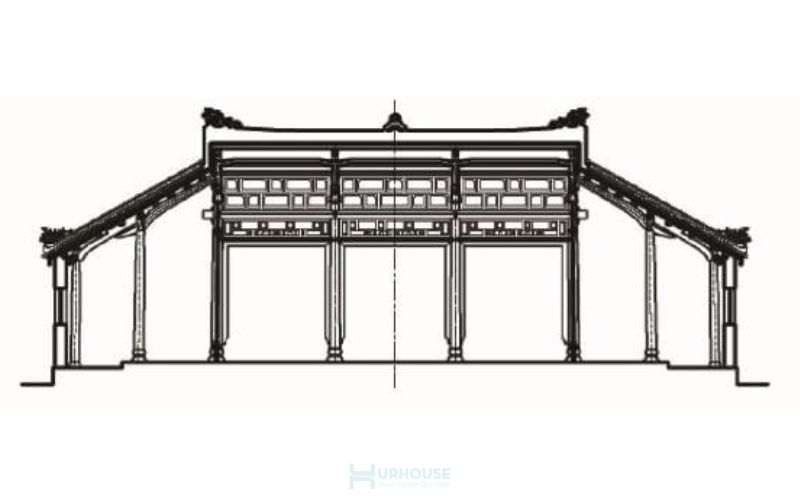
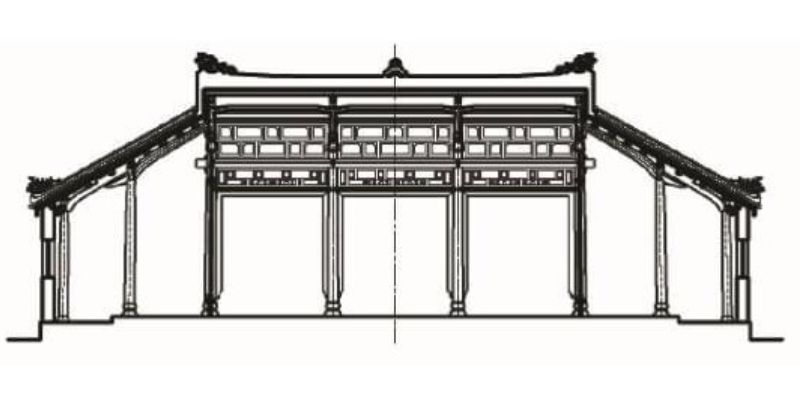
The Rường house of Hue are characterized by a structure of three main compartments and two wings.
Elaborate carvings
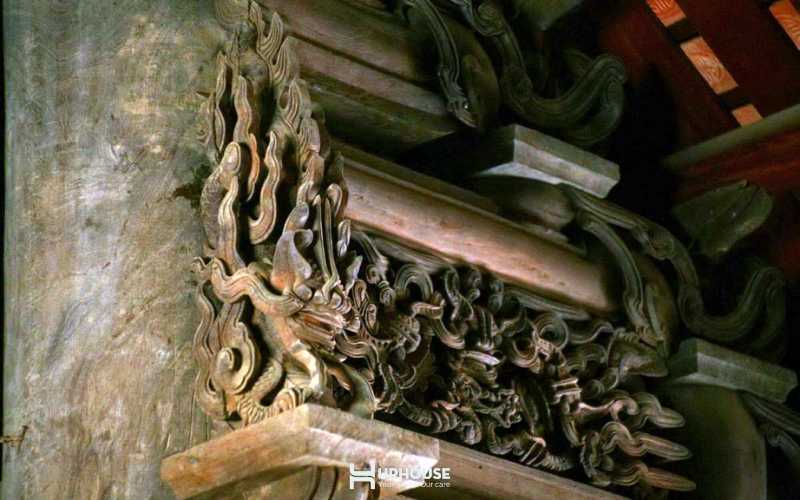
“Nhà Rường Huế” make a strong impression with their meticulously and intricately carved details
“Nhà Rường Huế” make a strong impression with their meticulously and intricately carved details on various structural elements such as columns, beams, braces and raffers. These carvings are inspires by nature, featuring motifs like lotus flowers, bamboo trees, phoenixes and traditional cultural symbols, all of which honor the house’s simple yet digniffied beauty. This artistic craftsmanship is what transforms Rường house into vibrant, enduring works of art that stand the test of time.
The cultural and historical value of Rường house
There is a well-know saying by researcher Chu Son: “As long as Ruong house exits, Hue will endure”. Indeed, the preservation of Ruong house ensures that Hue’s cultural identity, along with its rich historical and traditional values, will continue to be safeguared and celebrated. In orther words, Ruong house are an inseparable part of Hue’s soul. They not only preserve the memories of a glorious historical era but also stand as a symbol of resilience and the enduring strength of this land’s cultural heritage.
Preserving and promoting the value of Ruong House
Preserving and promoting the cultural value of Ruong house is not just a duty but also a responsibility for future generations. Today, these ancient Ruong house are facing deterioration due the effects of time and urbanization. Therefore, measures such as resoration, reconstruction and architectural value promotion must be further strengthened.
Conclusion
Ruong house are a vivid testament to the creativity and unique cultural identity of the ancient capital. Throughout the year, these Ruong house have preserved their pristine beauty, becoming a symbol of endurance and tradtional values.
