The world is evolving at an increasingly rapid pace. With technological advancements exerting a profound impact on all aspects of life, significant changes have emerged across various fields and industries, including architecture and new architectural trends. In recent years, human impact on the environment and ecosystems has sparked widespread discussions on how to create more suitable designs. Join URHOUSE as we delve deeper into this topic in the content below!
Sustainable architecture trends
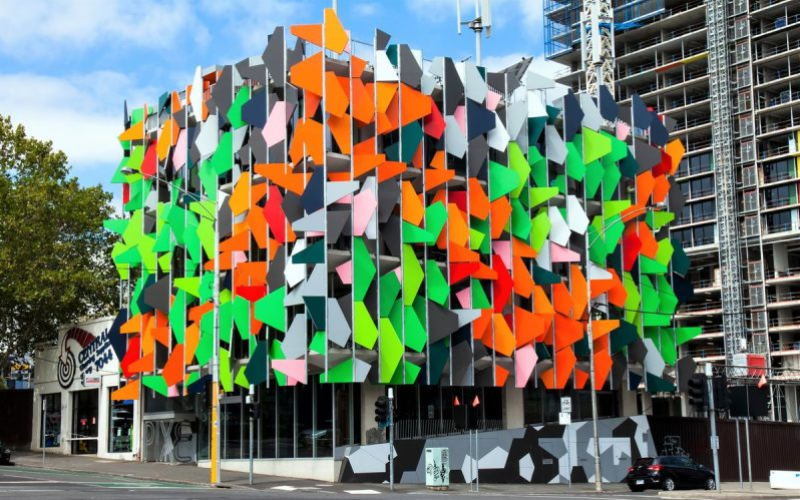
Tòa nhà Pixel tại Melbourne với ứng dụng thiết kế bền vững
As society becomes increasingly industrialized, buildings are constructed using energy-consuming materials such as concrete and steel, with little regard for their environmental impact. It wasn’t until the 1960s and 1970s, with the rise of the environmental protection movement, that sustainable design began to gain wider recognition.
Buckminster Fuller was the one who paved the way for a new era of sustainable design, focusing on energy conservation and creating green buildings with holistic design methods.
Sustainable design in contemporary architecture is clearly reflected in the growing number of buildings designed to meet strict sustainability standards. Notable examples include the Bullitt Center in Seattle and the Pixel Building in Melbourne, both of which have received international attention and acclaim for their use of solar panels, rainwater harvesting systems, and natural ventilation in their designs.
One of the key factors driving the increase in sustainable design is the availability of technology and materials that allow architects and designers to create energy-efficient and environmentally friendly buildings.
Simplicity and minimalism in design
Tính đơn giản và tối giản trong thiết kế
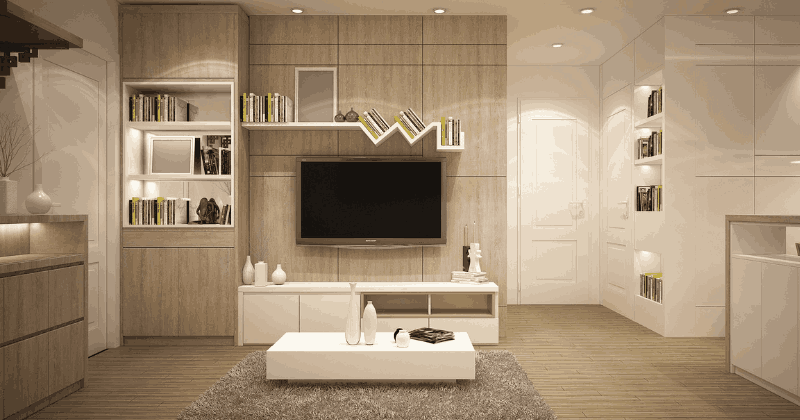
Minimalism in design emphasizes the shift in society towards focusing on functionality and seeking harmony in the surrounding environment. In line with the saying “Less is more,” minimalism in design concentrates on eliminating unnecessary elements and keeping only what is truly important.
The most profound impact of minimalist interiors may lie in their spiritual and emotional aspects. In an era flooded with information and constant digital connectivity, minimalist spaces offer peace and tranquility. They become sanctuaries where people can disconnect, reflect, and recharge. The absence of unnecessary details not only soothes the eyes but also lightens the mind, creating an environment conducive to serenity and clarity.
The architectural trend of smart home design
Xu hướng kiến trúc với thiết kế nhà thông minh
We are living in an era where technology is rapidly reshaping our lives. The architectural trend of smart home design is no longer a concept of the future; it is here and revolutionizing the way we design and build our living spaces.
It is undeniable that the development of technology has a significant impact on our lives. Integrating technology into interior design allows homeowners to control all activities within the home, bringing unprecedented efficiency that helps save energy and provides the highest level of safety and comfort.
Using natural materials in construction
Ngôi nhà với vật liệu tự nhiên bằng gỗ
Terms such as “natural building,” “sustainable design,” and “green architecture” do not always correspond to rustic, traditional images like “a clay house” or even “a thatched hut.” What we are concerned with is reducing reliance on concrete, steel, cement, and similar materials in design and construction.
Natural materials address environmental issues; however, nowadays, “pure green” materials are used much less due to their impact on the ecosystem and the comfort of interior spaces.
Conclusion
With the combination of modern technology and environmental awareness, the architecture of the future will offer comfortable, eco-friendly, and sustainable living spaces. By embracing and applying these trends, we not only improve the quality of life but also contribute to protecting the planet for future generations.



 Tòa nhà Pixel tại Melbourne với ứng dụng thiết kế bền vững
 Tính đơn giản và tối giản trong thiết kế
 Xu hướng kiến trúc với thiết kế nhà thông minh
 Ngôi nhà với vật liệu tự nhiên bằng gỗ