


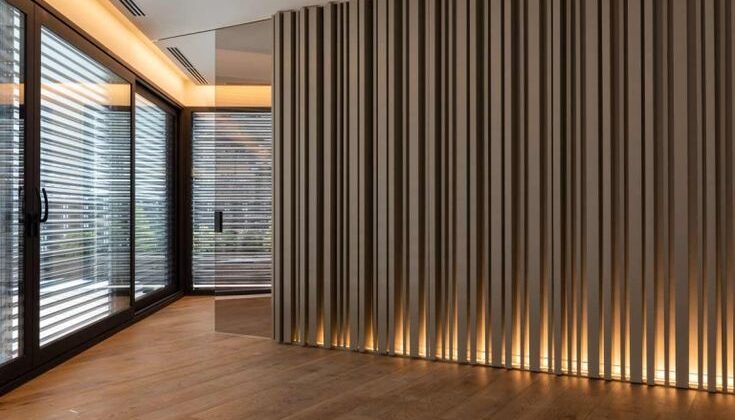
ASIAN STYLE IN INTERIOR DESIGN
The history of the formation of Asian style in interior design? Its key characteristics and how they are applied in modern design. Read the article below to learn more!
The history of the formation of Asian style in interior design
The Asian style has a long history, originating around 1000 BC. It primarily stems from Chinese culture and the cultures of East Asian countries. Each nation has its own distinct cultural characteristics.
During its development, Asian design style has absorbed and inherited the essence of various cultures. The cultural exchange between Asian countries, along with trade and interaction with the West , has furrther enriched this style.
Characteristics of Asian style
Use of natural materials
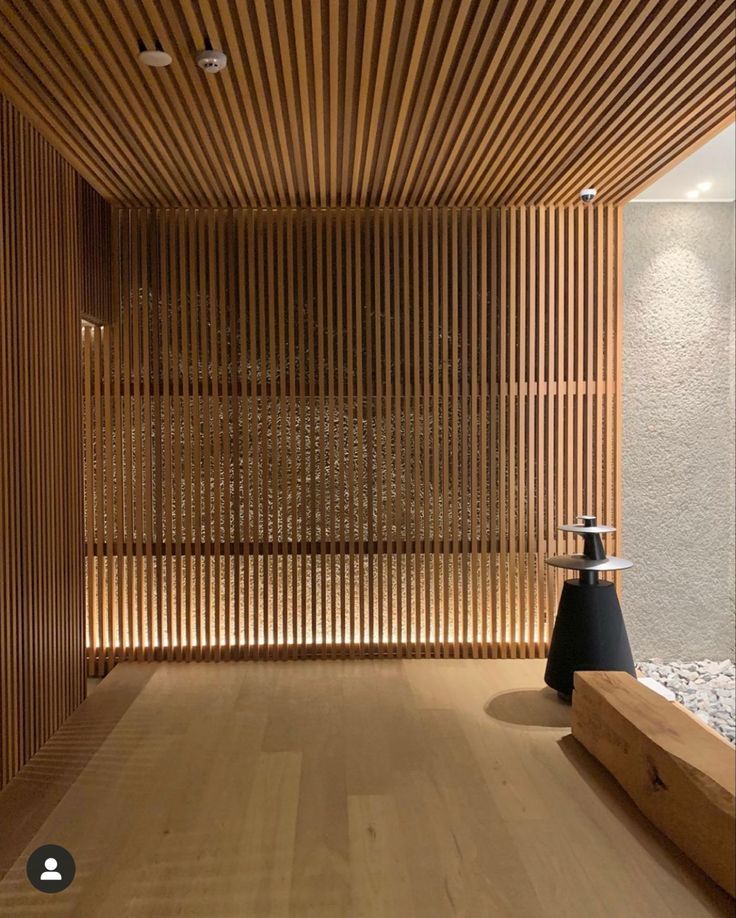
Chủ yếu sử dụng vật liệu tự nhiên khi thiết kế
With a strong influence from nature, Asian-style design primarily uses natural materials such as wood, bamboo, ceramics, and bricks. Additionally, decorative paintings often feature wooden frames, accentuating the Asian ambiance. This approach aims to create a rustic, serene, and nature-friendly living space.
Space arrangement
The Asian-inspired style brings a cozy, rustic, and intimate living space. Instead of incorporating large open spaces like Western styles, Asian interior design focuses on maximizing every small corner. It is adorned with greenery, flowers, and decorative elements rich in Asian culture, creating a living environment that is both aesthetically pleasing and serene.
Distinctive patterns and motifs
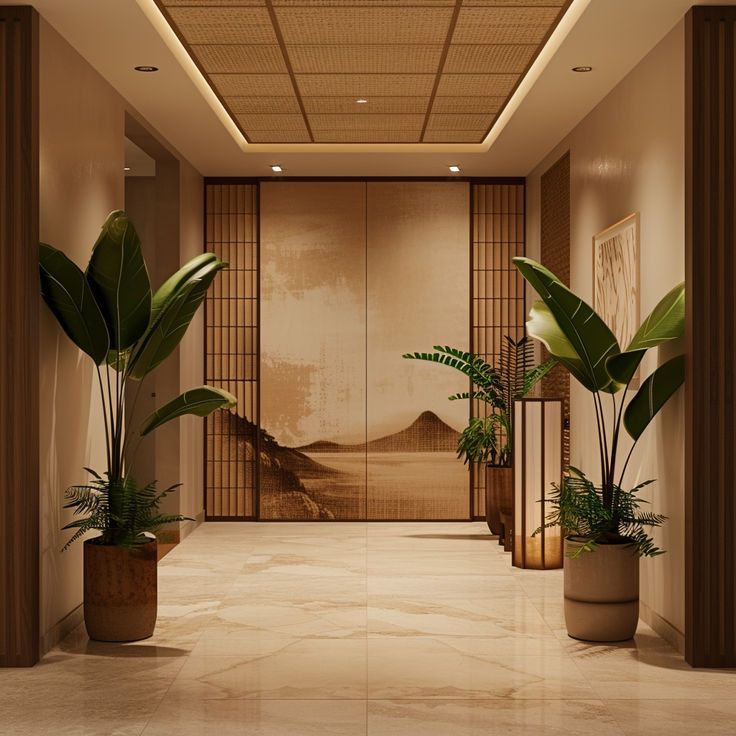
Họa tiết và hoa văn đặc trưng cho phong cách Á Đông
Distinctive patterns and motifs strongly reflect the cultural identity of the East. Examples include the lotus pattern in Vietnam, cherry blossoms and koi fish in Japan, and dragon and phoenix motifs in China,…
Color in Asian style
Asian style is fundamentally influenced by Japanese and Chinese cultures. As a result, its color palette also reflects the characteristics of these two countries. Japan primarily uses neutral tones such as beige, light brown, and cream to create a soothing and comfortable atmosphere. Meanwhile, the Chinese generally prefer vibrant and bold colors like red and black.
Expressing eastern culture
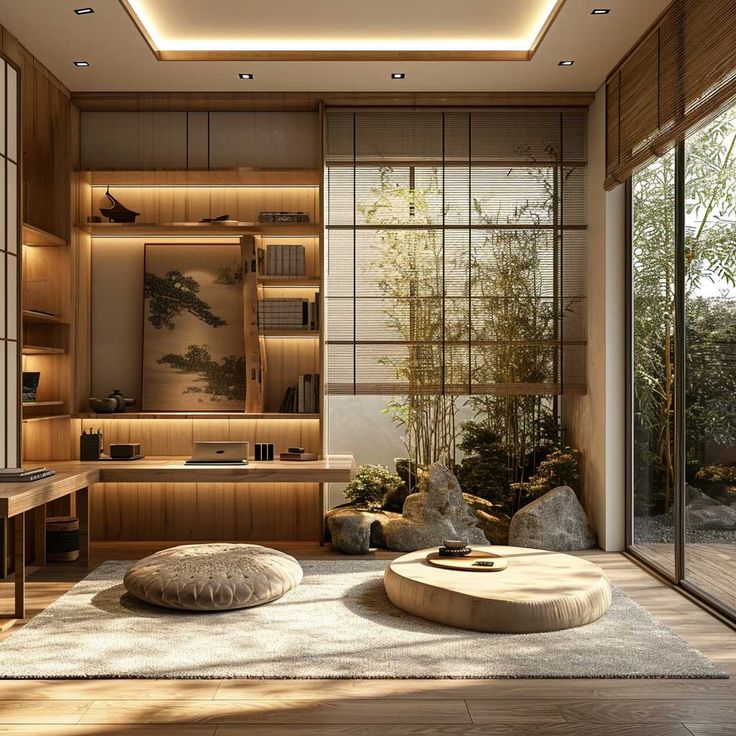
Tranh treo tường, thư pháp đóng khung là vật dụng không thể thiếu trong phong cách Á Đông
The selection and arrangement of decorative items in any style is a way to express the homeowner’s personality, culture, and lifestyle. For example, wall paintings, framed calligraphy, Buddha statues, and bonsai trees are symbolic elements of an Asian-inspired space, accompanied by decorations that strongly reflect Eastern culture.
Feng Shui elements in Design
The Five Elements and Feng Shui are indispensable factors in Asian-style design. They represent a harmonious blend of spatial arrangement artistry and Feng Shui principles in interior design. Many people believe that adhering to certain principles can make life easier, bring good fortune, attract wealth and peace to the family, and ward off unwanted misfortunes.
Asian style in different Asian countries
Trung Quốc
China is the country with the oldest Eastern civilization, boasting a history spanning thousands of years. It is renowned for its diverse and rich architectural designs. One of the most notable aspects is the decorative patterns, such as floral motifs, dragons, and phoenixes, which originated during the Shang Dynasty (circa 16th – 1046 BCE).
One of the key elements in the East Asian design style of the Chinese people is the use of ceramics to enhance living spaces. Chinese ceramic art not only holds deep cultural value but also has a far-reaching influence. This is evidenced by its spread northward to Korea, northeast to Japan, and southward to Southeast Asian countries.
The art of ceramics has a long-standing history and has been continuously preserved and passed down through generations. During the Tang Dynasty (618–907), China became renowned for its exquisite terracotta works. Following that, the Song Dynasty (960–1279) left its mark with stoneware creations. By the time of the Nguyen Dynasty and later periods, China had risen to the forefront of porcelain production, propelling traditional ceramic art to new heights and leaving a profound impact on global art history.
China has been renowned for its silk since ancient Roman times, with silk fragments dating back to the 1st century BCE. The country is famous for its exquisite silk embroidery, crafted with meticulous precision and countless delicate stitches.
In the early stages, jade was primarily used for religious purposes. However, it later became widely used for decorating scholars’ workspaces, such as brush holders, ink slabs, and other desk ornaments.
Art in China is deeply influenced by calligraphy, making it distinct from Western art. Notably, Chinese paintings often exude a sense of subtle humor and elegance, a characteristic rarely found in Western artistic traditions.
Ấn Độ
Calico, chintz, and madras are words of Indian origin, highlighting the significance of Indian textiles in the history of Western interior design. However, India itself has never been fully conscious of this role, as traditional Indian home interiors are extremely simple, often consisting of little more than a rug to cover the empty floor space.
Nhật Bản
Japan was heavily influenced by Chinese culture, especially from the 8th to the 12th century. However, in Japan, design styles were adapted to be more subtle, solemn, and elegant.
Here are some tips to transform your home into an Asian-inspried space
Use lighting fixtures with a strong Asian ìnluence
Ánh sáng ảnh hưởng rất nhiều đến việc định hình một phong cách thiết kế. Để có một không gian mang đậm phong cách Á Đông, URHOUSE mách bạn một tips nhỏ này, hãy thêm vài chiếc đèn lồng, giấy và nến,… bạn sẽ thấy được điều bất ngờ. Ánh sáng dịu nhẹ, mềm mại từ những vật dụng này tạo nên cảm giác ấm áp, đậm chất thiền, tĩnh lặng và trầm mặc.
Accentuate the space with vibrant colors
Hãy tô điểm cho không gian bằng những gam màu nổi bật như đỏ son, vàng hoặc xanh ngọc gợi lên sự sang trọng đồng thời mang theo ý nghĩa văn hóa sâu sắc. Theo quan niệm của người dân phương Đông, màu đỏ tượng trưng cho sự may mắn, màu vàng thể hiện sự thịnh vượng và xanh ngọc đại diện cho sự bình yên và thanh tịnh.
Asian style in modern homes
Phong cách thiết kế nội thất Á Đông hiện đại là sự kết hợp hài hòa giữa nét đẹp truyền thống với những đường nét thiết kế theo xu hướng hiện nay. Cuộc sống hiện đại khiến con người lãng quên những giá trị truyền thống. Phong cách Á Đông trong ngôi nhà hiện đại kết hợp thêm một số đồ dùng hiện đại phương Tây tạo nên một sự kết hợp hoàn hảo cho không gian thiết kế.
Conclusion
With its rich aesthetics, balance, and deep cultural philosophy, the Asian style creates a serene space that reflects both the spiritual and practical aspects of life. Follow the URHOUSE website for more useful insights!
