


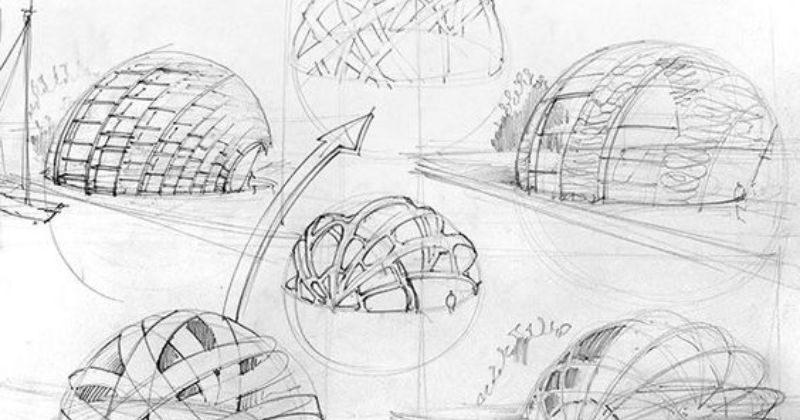
ARCHITECTURAL DOME DESIGN IN INTERIOR DESIGN
The arch has been a part of architecture for a long time, spanning many different civilizations and still existing to this day. So, what exactly is an arch in architecture? What are the characteristics and popular types of arches in architecture? Let’s explore these topics in more detail with URHOUSE through the content below!
What is arch architecture?
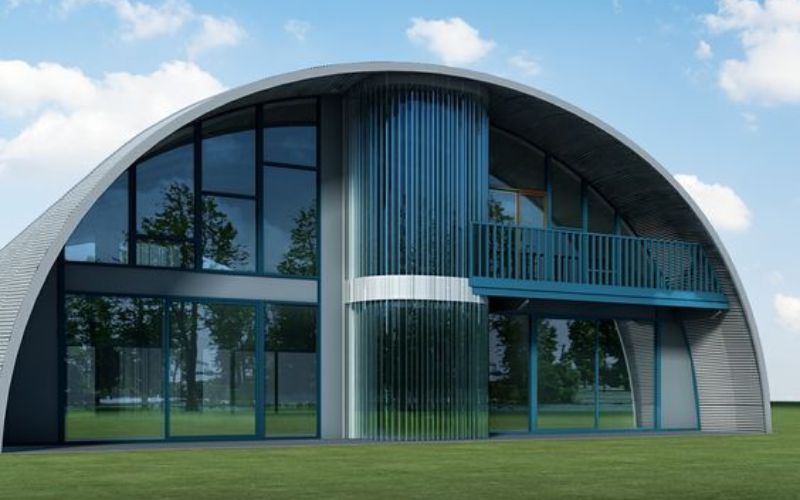
What is arch architectural? (Referenced from Pinterest)
The arch is a prominent architectural element, reminiscent of the upper hollow half of a sphere, typically placed on a flat or empty roof with support from columns and bridges. Over the centuries, arches have not only been preserved but also developed, becoming a valuable and elegant feature in modern architectural structures. With their magnificent beauty and grand scale, buildings with arch architecture always impress with their spaciousness and meticulous design, reflecting the sophistication and creativity in architecture.
Types of arches in architecture
The Round Arch: This is the most classic and common type of arch in architecture, especially during the Roman era. It is formed by repeating segments with the same radius and length, creating a structure resembling half of a horizontal cylinder.
Hyperbolic Arch: Notable for its complex hyperbolic shape formed by curved material pieces. It stands as evidence of the advancements in modern design and construction techniques, offering a unique and inspiring architectural space.
Barrel Vault: Formed when two circular arches intersect, creating angular edges. It creates a sturdy structure while also producing pointed peaks and unique decorative outlines. In Gothic architecture, the barrel vault is used to create large and tall spaces. It commonly appears in churches, monasteries, and other religious buildings.
The distinctive features of vaulted architectural in interior design
Stability: With a strong and stable structure due to their geometric shape, the even distribution of weight across the entire vaulted surface allows them to bear heavy loads without the need for internal columns or supports. This not only ensures the durability of the structure but also creates an expanded, unobstructed space.
Efficient use of materials: The vaulted roof is a testament to the skillful optimization of material resources. Requiring fewer materials than traditional rectangular structures while still ensuring high durability, vaulted roofs demonstrate cost-effectiveness and sustainability in construction.
Insulation and soundproofing: Thanks to their unique shape and structure, vaulted roofs offer excellent thermal insulation and soundproofing capabilities.
Spacious interior: One of the standout advantages of vaulted architecture is its ability to create a spacious interior.
Famous vaulted architecture structures in interior design
Son La Ceremony Dome
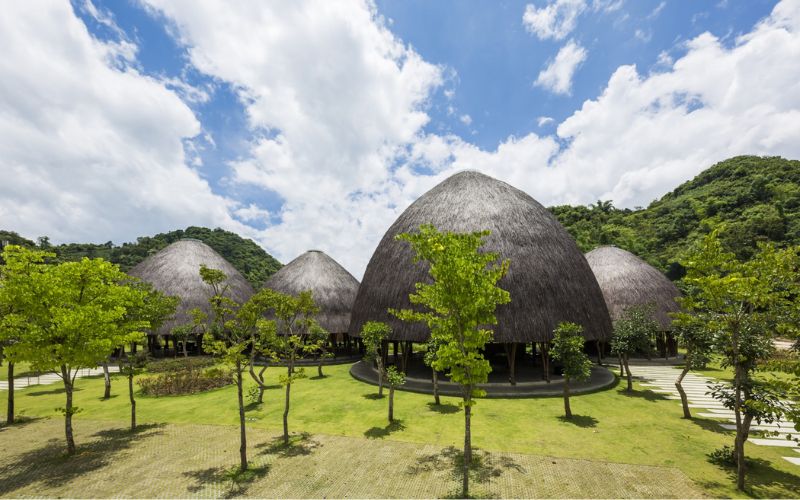
Son La Ceremony Dome (Võ Trọng Nghĩa Architect)
The Son La Ceremony Dome project is located in the heart of Son La City, Vietnam, designed by architect Võ Trọng Nghĩa. It is part of a complex that includes restaurants and hotels. Using bamboo as the primary material, five unique vaulted structures of varying heights were created, inspired by the surrounding mountains of the city. The domes form a soft horizon, reminiscent of the majestic mountainous landscape of Son La.
St.Paul in London
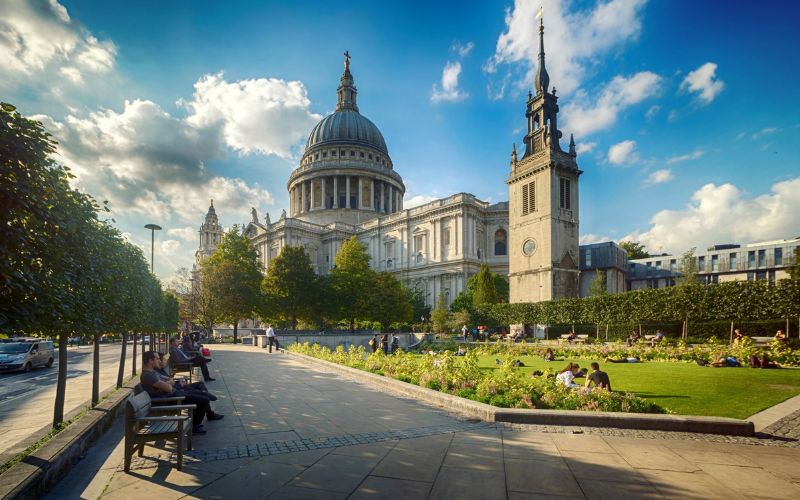
St. Paul’s Cathedral in the UK (Source: Internet Reference).
St. Paul’s Cathedral in the UK is one of the most famous architectural landmarks in London. Designed by architect Christopher Wren, St. Paul’s Cathedral was completed in 1711 after the old church was destroyed in the Great Fire of London in 1666.
St. Paul’s Cathedral, with its distinctive vaulted architecture, was designed and intricately hand-carved with exquisite and meticulous details. The harmonious blend of light and color has transformed St. Paul’s into a breathtaking masterpiece, unlike anything found anywhere else.
St. Paul’s Cathedral is not only a place of worship but also a historical symbol of England, closely associated with many significant events, including royal weddings, funerals of important figures, and national commemorative ceremonies.
Lotfollah Mosque in Iran
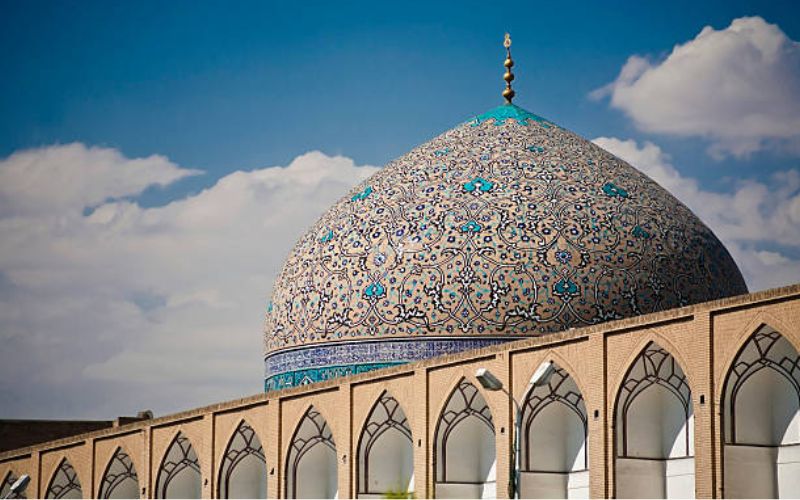
Lotfollah Mosque in Iran.(Internet)
The Lotfollah Mosque is one of the famous architectural masterpieces in Iran, located in the heart of Isfahan city. The mosque was constructed over a period of more than 15 years, from 1603 to 1619, during the reign of Shah Abbas of the Safavid Empire. The mosque is renowned for its unique beauty and intricate design.
Unlike many other mosques, Sheikh Lotfollah Mosque was exclusively dedicated to Shah Abbas’ royal family. It features a beautiful dome design adorned with geometric patterns and intricate motifs, creating a mysterious and reverent atmosphere. The Sheikh Lotfollah Mosque is not only a religious structure but also an important cultural, artistic, and historical symbol of Iran.
St.Peter in Italy
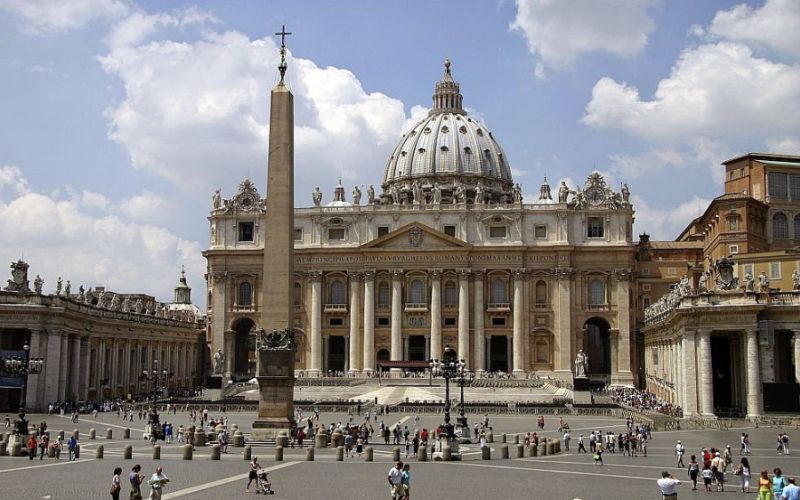
St. Peter in Italy (Internet)
Known as “St. Peter’s Basilica,” it is the largest church in the world and one of the most sacred sites in Catholicism. Built on the site of an ancient church from the 4th century, St. Peter’s Basilica took 120 years to complete, beginning in 1506 and finishing in 1626 under the direction of several renowned architects of the time.
St. Peter’s Basilica is a renowned masterpiece of Renaissance architecture, highlighted by its enormous dome with a beautiful parabolic shape. The dome is magnificently decorated with intricate carvings of floral patterns, meticulously crafted from marble. Every design detail stands as a testament to the skill and devotion of the Renaissance artisans. The space here becomes solemn and sacred due to the presence of the tombs of the Popes, contributing to the basilica’s status as an eternal symbol of faith and reverence.
Conclusion
I hope this article provides you with a new perspective on vaulted architecture and its application in interior design. With its ability to create spacious environments and its impressive beauty, the vaulted structure remains the perfect choice to enhance both the aesthetic value and functionality of any space.
