


USING RECYCLED MATERIAL IN INTERIOR DESIGN, WHY NOT?
Living spaces today are increasingly focused on being more environmentally friendly. So, why not consider using recycled materials in architecture and interior design to both optimize living spaces and contribute to sustainable development?
What are recycled materials?
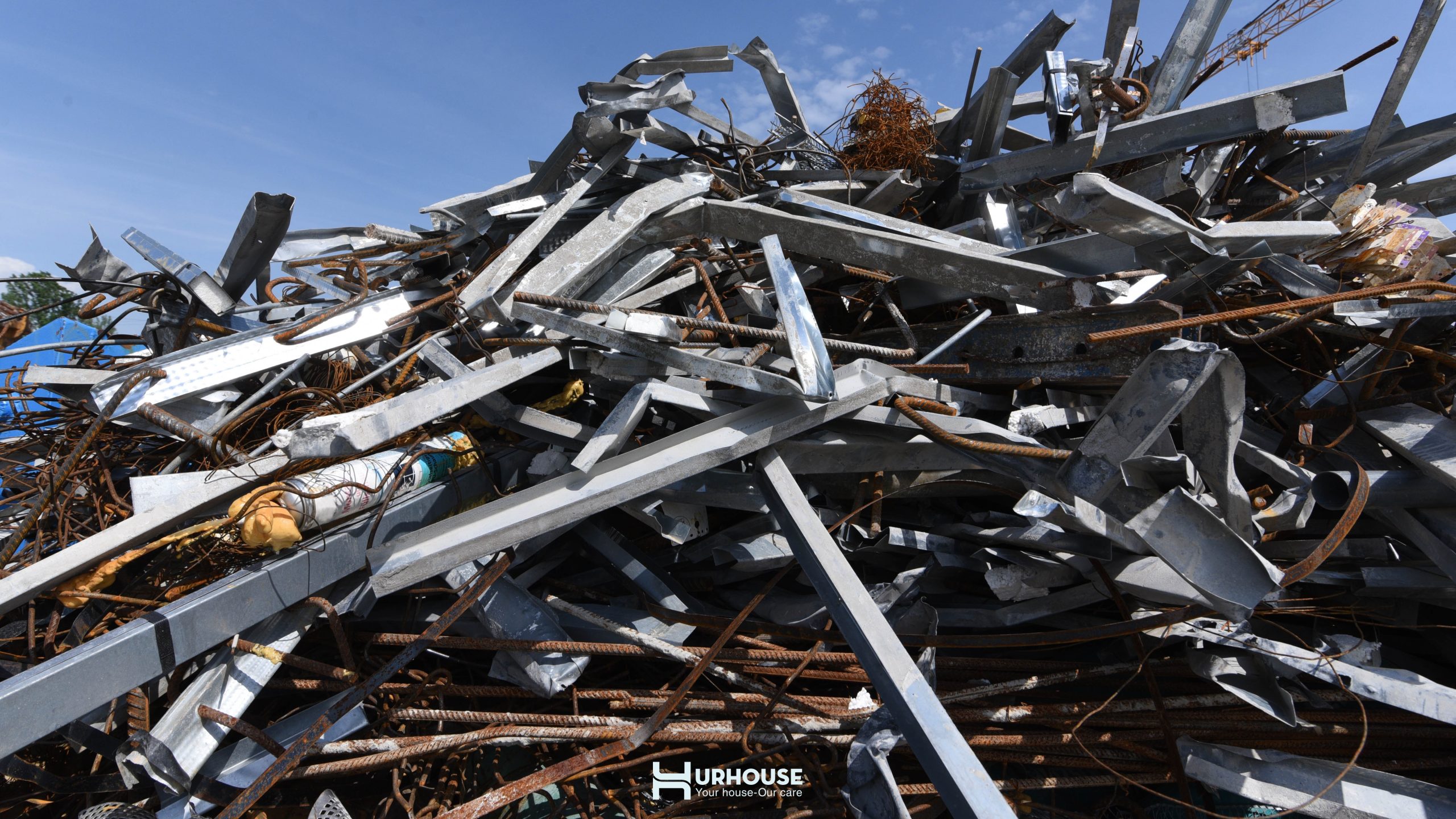
Every year, a large amount of construction waste is generated
Every year, a large amount of construction waste is produced. In general, modern industrial times have seen rapid advances in material technology, aiming to create materials that suit the needs of society and apply them to many fields of life. Alongside this, sustainability and the concept of a circular economy have presented a challenge that we need to solve: how to extend the lifespan or life cycle of products or the materials used to create them.
In Vietnam, research into recycling methods and prioritizing the use of materials from demolished buildings has begun. As society continues to develop, urban planning has become a recurring issue, creating large amounts of construction waste. According to a study by Ngo et al. (2018), construction waste mainly includes soil, gravel, sand, concrete, bricks, and accounts for about 90% of the total waste material.
In short, recycled materials are those that have been used but can still be reused through processes that transform them into useful products for people. Recycled materials in interior design can be divided into two main groups:
- Group 1: Types of concrete, construction mortar ceramics and construction waste, etc
- Group 2: Wood, metals, gypsum, glass and products from modern industries, etc.
Each material has its own recycling method, aimed at replacing natural materials, reducing waste, and minimizing the use of raw materials.
Benefits of using recycled materials in interior design
Environmental Protection: The use of recycled materials in architecture and interior design provides a significant benefit in reducing the amount of waste produced annually, helping to protect the environment. By choosing recycled materials instead of new raw materials, we play a part in reducing resource extraction, protecting ecosystems, and minimizing large amounts of carbon emissions.
Cost Savings: Using recycled materials helps save costs compared to purchasing new materials. Many recycled materials can be acquired at lower prices, or you can repurpose old items from your home.
-
Unique and Distinctive Aesthetic: Recycled materials bring a unique and distinctive feel to interior design. Spaces using recycled materials not only present a nature-inspired beauty but also help create warm and one-of-a-kind environments that reflect the user’s personal taste and style.
Types of recycled materials commonly used in interior design
Recycled wood
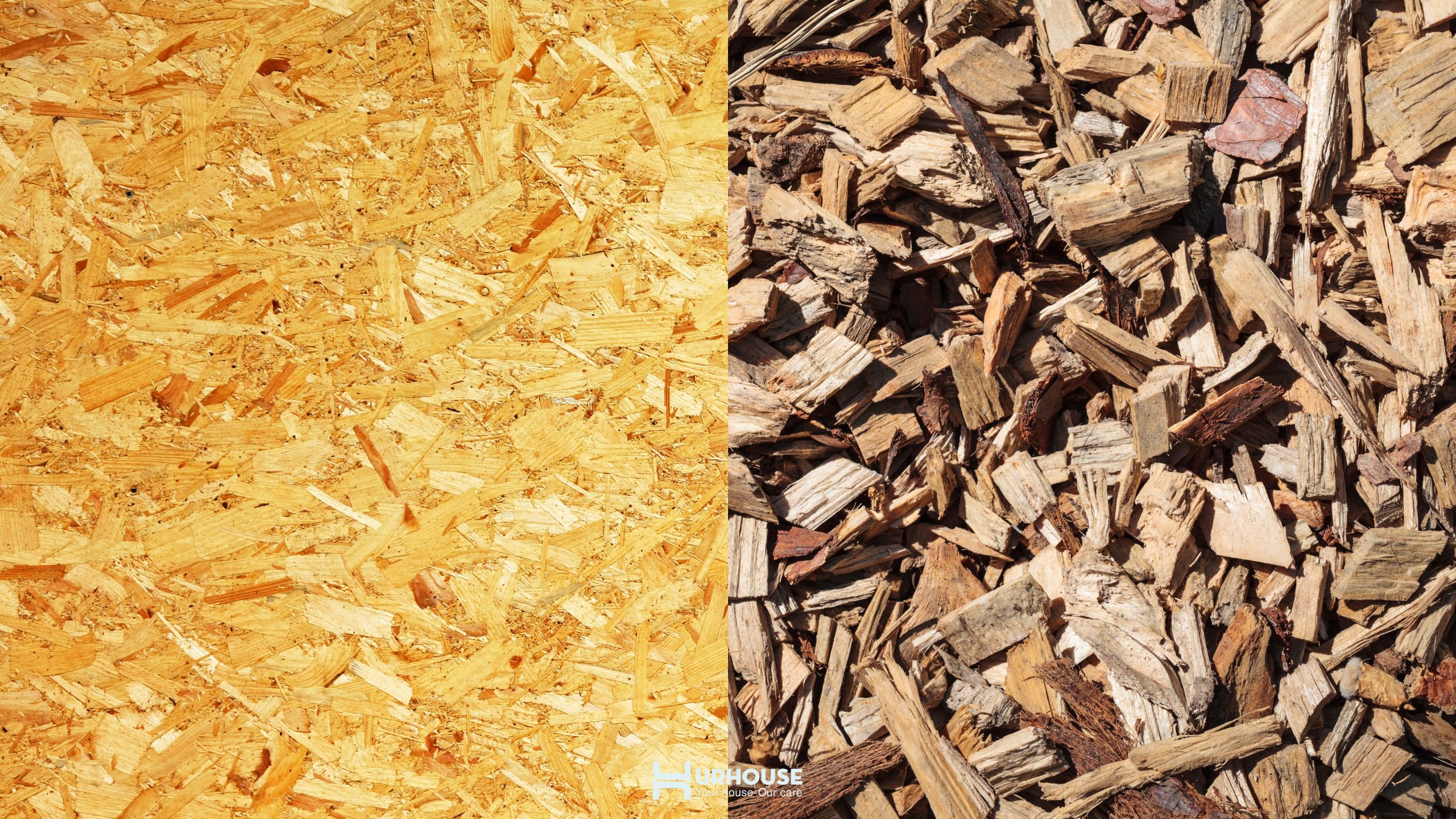
Wood is an common recycled
Wood is a popular recycled material, mainly coming from construction activities, furniture production, and household waste. Waste management has quickly emerged as a solution because wood waste is very common and comes from various sources. Since burning or dumping it in landfills is inefficient, many businesses are turning to recycle wood in all areas, including architecture and interior design.
Currently, recycled wood is created through the process of complete grinding to form MDF (Medium Density Fiberboard) panels. This is an essential material for producing modern wooden furniture, helping to reduce the demand for new wood, offering sustainable and environmentally friendly products while meeting the increasing aesthetic demands in interior design.
Old bricks, stones and roof tiles
Old bricks, stones, and roof tiles are often reused for flooring, wall cladding, or decorative details. Many famous buildings worldwide have used old bricks, stones, and roof tiles in their designs.
For example, the Fuelle Roga House in Paraguay, designed by OMCM Arquitectos, initially faced severe structural issues, lack of airflow, inadequate natural light, and was significantly affected by moisture.
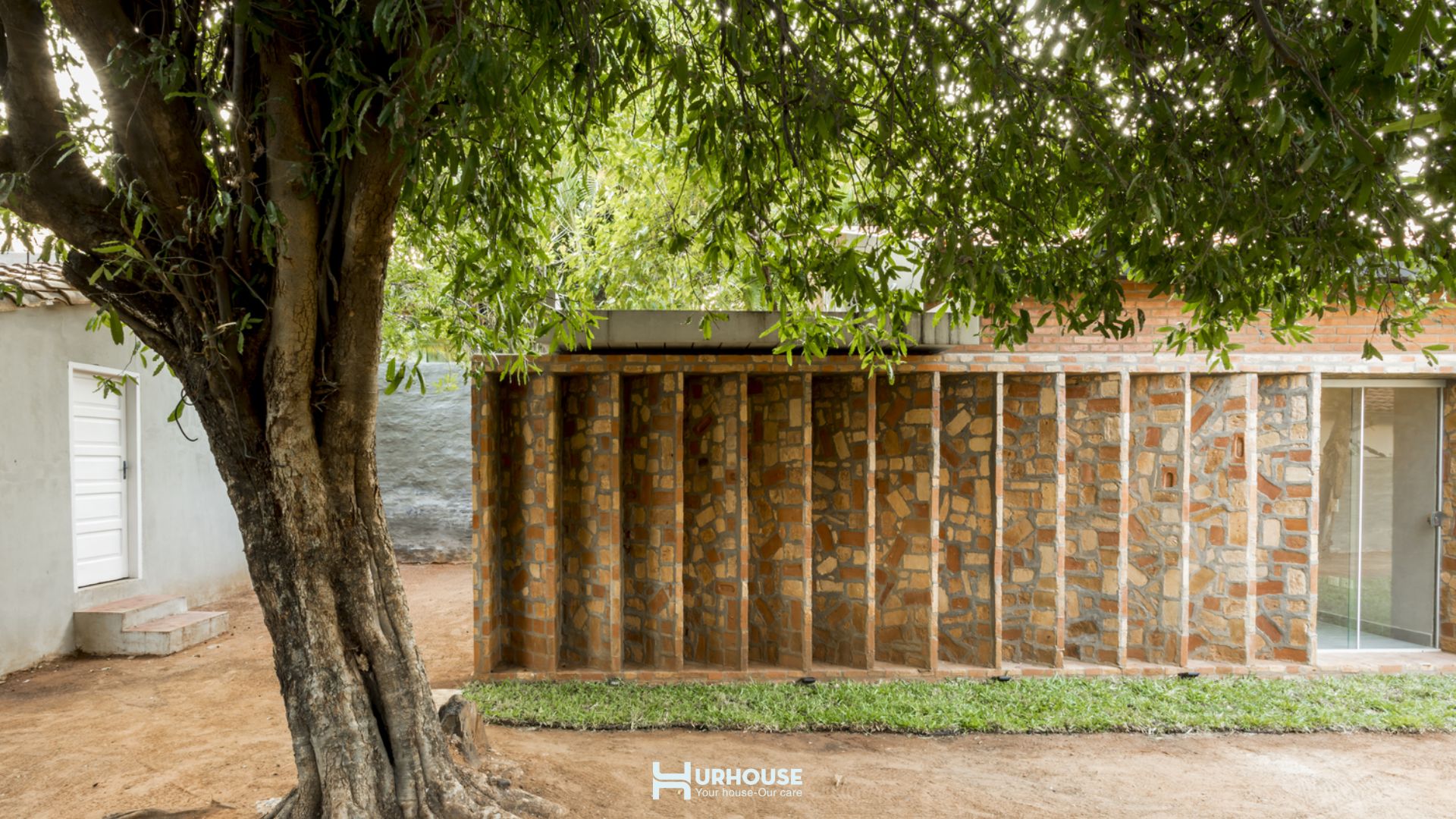
The Fuelle Roga House projetc reused bricks for its design (Internet)
The Fuelle Roga House reused bricks in its design (Source: Internet). The primary goal was to minimize demolition and reuse most of the existing structure. However, the architect had to demolish more than 70% of the house due to structural flaws revealed during construction. Instead of discarding, materials from the demolition were reused to create focal points in the new design. The project applied the “Reduce – Reuse – Recycle” philosophy, using traditional techniques and local materials to reduce costs and make the most of available resources.
Glass
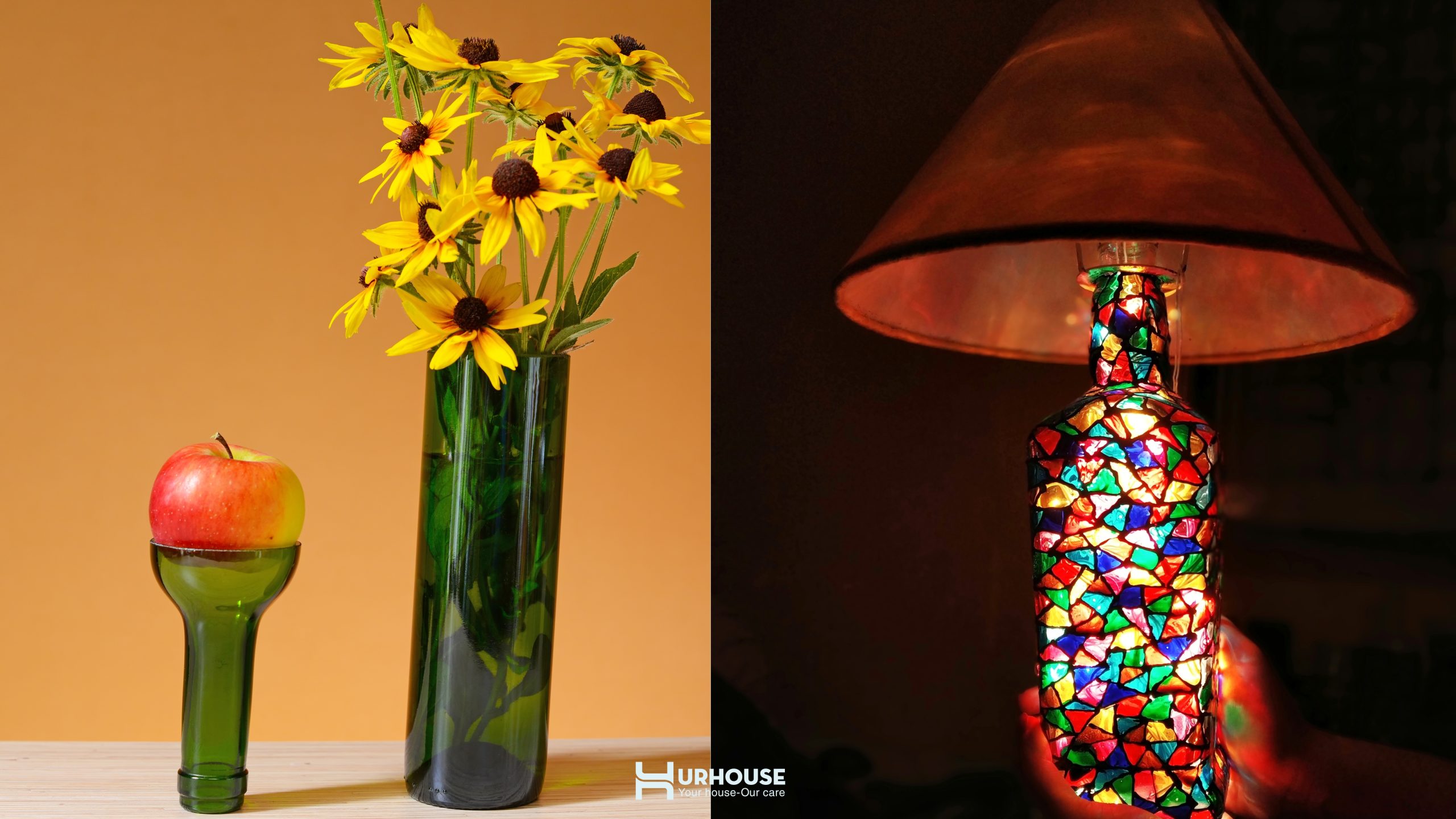
Reusing glass bottles in your living space
Recycled glass is an entirely green product that can be used in many ways, such as in home decor, bio-glass, foam glass, etc. Contrary to the common misconception that going green is expensive, recycling or reusing glass is a cost-effective solution. Glass can be fully recycled infinitely without affecting its quality or purity. The glass recycling process starts with collecting glass waste, sorting it, and then recycling it.
Conclusion
