


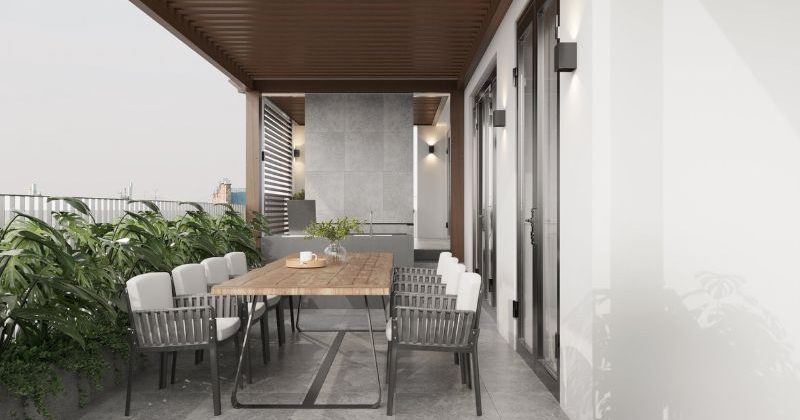
HOW HAS INTERIOR DESIGN CHANGED AFTER THE COVID-19 PANDEMIC?
The COVID-19 pandemic ended approximately four years ago, leaving behind severe consequences. It has profoundly changed the way we live and work, leading to significant transformations across various fields, including architecture and interior design. Sustainability, multifunctionality, and ecological factors have become top priorities in new design trends. Join URHOUSE as we explore how interior design has evolved after the pandemic in the article below!
Soundproofing is an urgent necessity
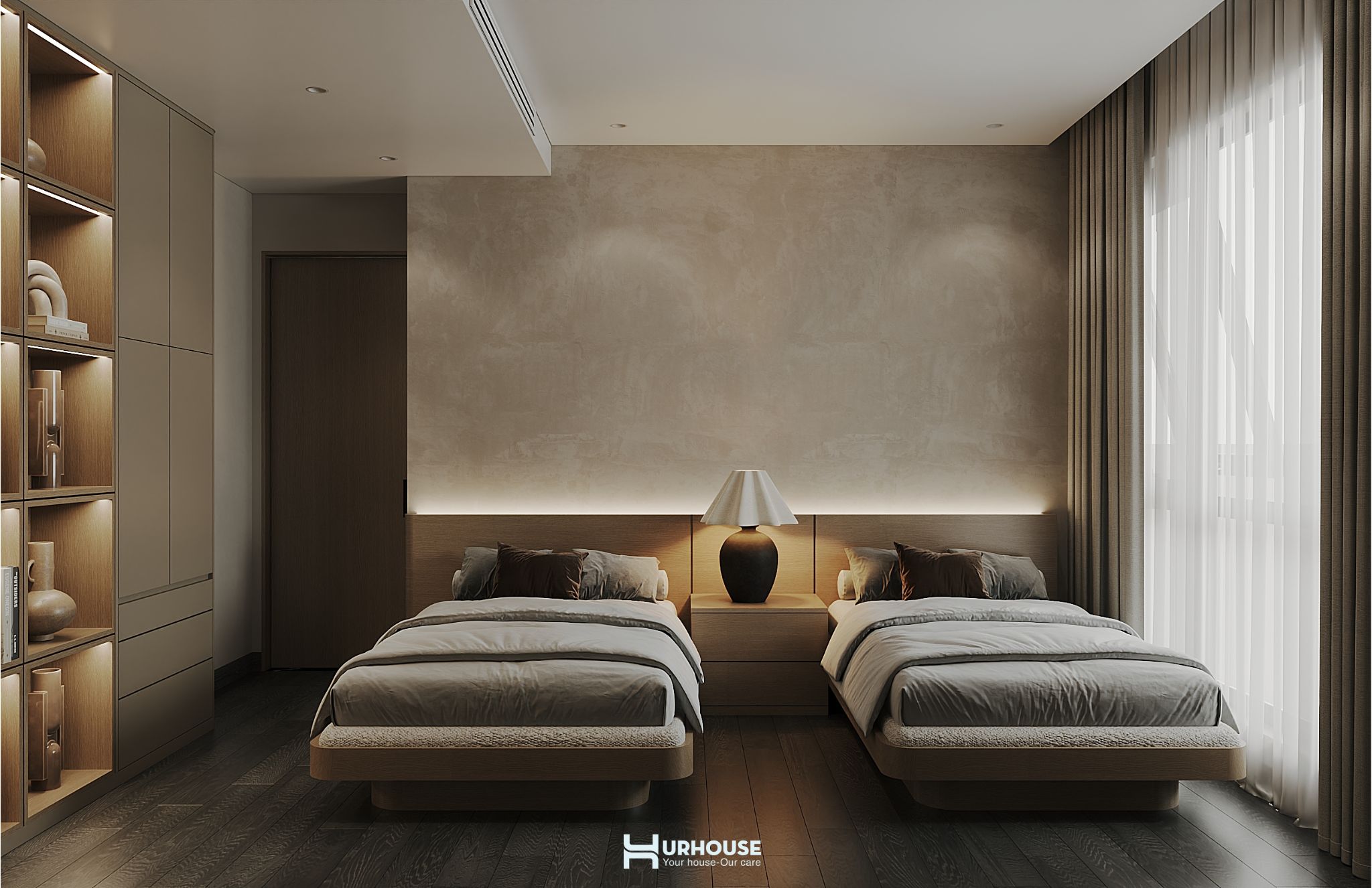
The arrangement of space helps reduce unwanted noise (URHOUSE Studio)
During the pandemic, remote work and home learning led to a growing demand for a quiet study and work environment. Factors such as external noise, sounds from other rooms, or electronic devices could easily disrupt work and affect mental well-being. This is why soundproofing design has become one of the top priorities in interior design post-pandemic.
Nowadays, many families prioritize soundproof materials such as wall paneling, thick fabric curtains, and noise-reducing paint or wallpaper. Additionally, the arrangement of furniture can significantly minimize unwanted noise. For instance, home offices are often designed and positioned away from the living room and kitchen to ensure a quiet space. Soundproof designs not only enhance work efficiency but also create a more comfortable living environment, allowing family members to relax without being disturbed by unwanted noise.
Focus on green spaces
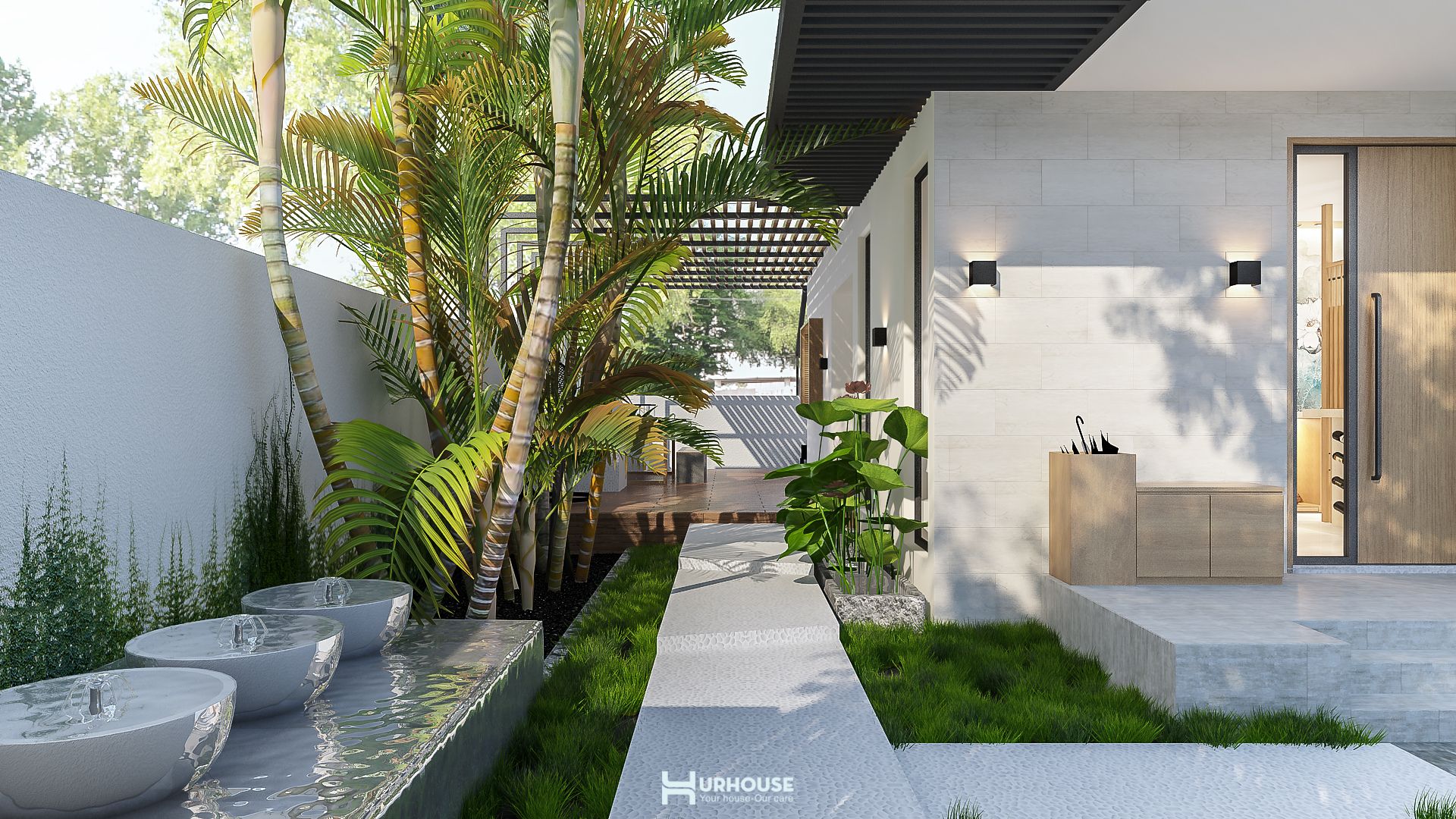
Add a touch of greenery to your living space (URHOUSE Studio)
During the period when the world was impacted by the Covid-19 pandemic and outdoor activities were restricted, an indoor green space became an essential element in reducing stress and improving mental well-being during the pandemic.
Currently, many designs have been adjusted to maximize green spaces and natural light, creating an airy environment while saving energy. Additionally, the Biophilic Design trend—integrating nature into living spaces—is highly favored, making homes not only aesthetically pleasing but also fostering a sense of tranquility and connection with the surrounding environment.
Home office
When the pandemic broke out, homes were unexpectedly transformed into makeshift offices and temporary classrooms. Although everyone understood that this was only a short-term solution to cope with an emergency, it led architects and interior designers to rethink living spaces, preparing them for the “new normal” after Covid-19. Spaces are now designed not only to adapt to new demands but also to be more creative, providing a warm and inviting atmosphere while maintaining necessary distancing, ensuring daily activities can continue safely—even in the face of future health risks. As a result, remote work has become increasingly popular, making home office design a crucial element in modern interiors.
Ensure safety
Health and safety factors in interior design have become more important than ever after the pandemic. Designers today focus on creating safe and healthy spaces. Antibacterial, easy-to-clean, and non-irritating materials are becoming increasingly popular choices.
Moreover, modern designs also integrate smart technology to minimize physical contact, from automatic sensor devices to voice-controlled systems. These advancements not only enhance convenience but also reduce the risk of contamination in living spaces.
Conclusion
The Covid-19 pandemic has brought significant changes in how we perceive living spaces. As sustainability becomes increasingly important, interior design will continue to evolve to meet the growing needs of people, contributing to a greener and safer future.
