


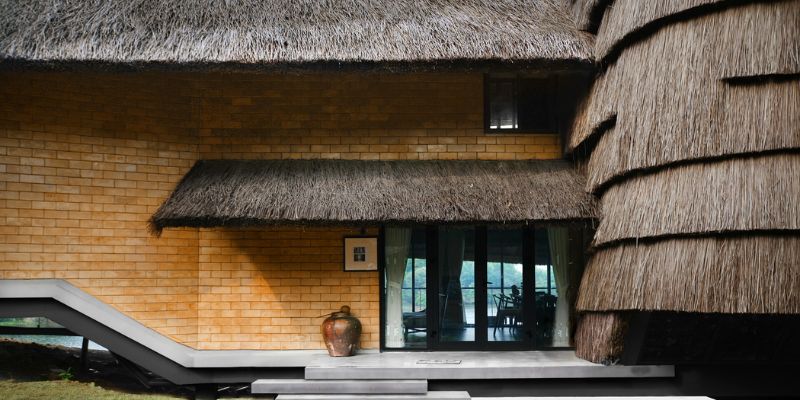
INTEGRATING LOCAL MATERIALS IN GARDEN HOUSE ARCHITECTURE
For centuries, humans have harnessed the gifts of nature to build their homes, notably by integrating local materials in garden house architecture. Traditional stilt houses made of bamboo and rattan by ethnic minorities, or the old brick and tile houses in rural Vietnam, are clear evidence of human ingenuity and creativity in using local materials. By utilizing available resources, garden house architecture not only reflects harmony with nature but also preserves the unique cultural values of each region.
The current trend of living in garden houses
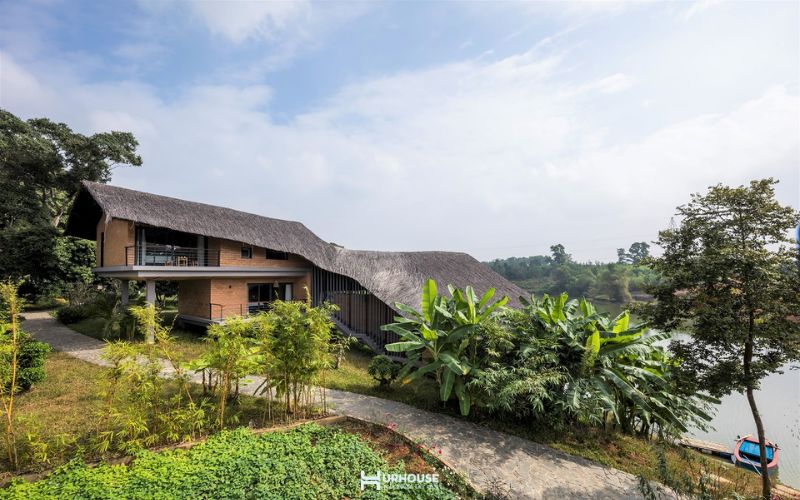
Garden houses have become a popular choice for those who enjoy peace and tranquility, away from the hustle and bustle of city life
Why should local materials be used in garden house architecture?
Sustainability and environmental protection
Optimizing construction costs
The use of local materials is an intelligent solution to save significant costs by minimizing transportation expenses for heavy and bulky materials. Moreover, the ease of construction with traditional materials such as bamboo and rattan reduces building time, helping to save labor costs and accelerate the completion of the project.
Create a local cultural identity
Comon local material used in garden house architecture
Bamboo and rattan
With the advantages of being lightweight, durable, easy to regenerate, and especially environmentally friendly, bamboo and rattan have become indispensable in traditional garden house architecture. Houses made with bamboo or rattan carry a natural, rustic beauty, contributing to a harmonious living space that is close to nature. In garden house architecture, bamboo is designed for the roof frame, furniture, and window blinds, creating a cool, elegant, and comfortable space.
Honeycomb stone
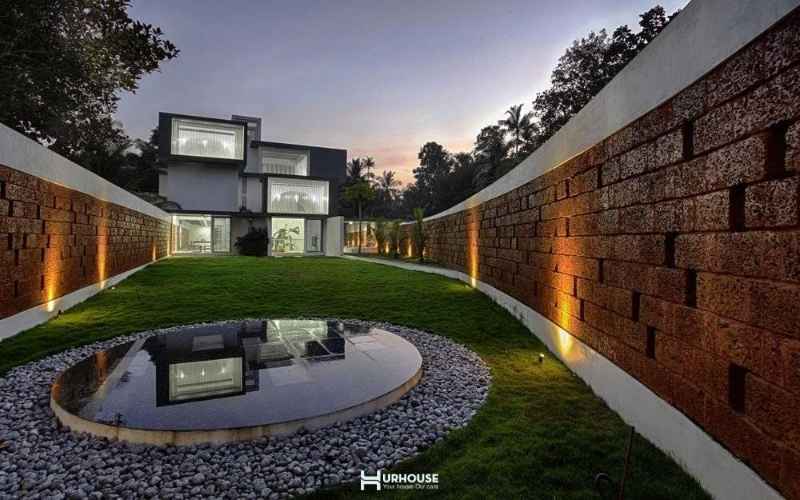
Honeycomb stone is commonly used to build walls and with its characteristic reddish-brown color, it makes the garden house feel warm and cozy.
Honeycomb stone – A familiar and close-to-home material, it carries a simple yet captivating beauty. Originating from the northern countryside, especially in Duong Lam, honeycomb stone has become a popular material in garden house architecture. With its special texture and characteristic color, honeycomb stone is very suitable for architectuaral works that reflect a rural village vibe, especially garden houses or villas.
At the same time, with its excellent insulation properties, resistance to harsh weather, and ease of transportation, honeycomb stone has become an ideal material for building works that embody traditional styles, where people seek harmony with the surrounding nature.
Traditional fired bricks
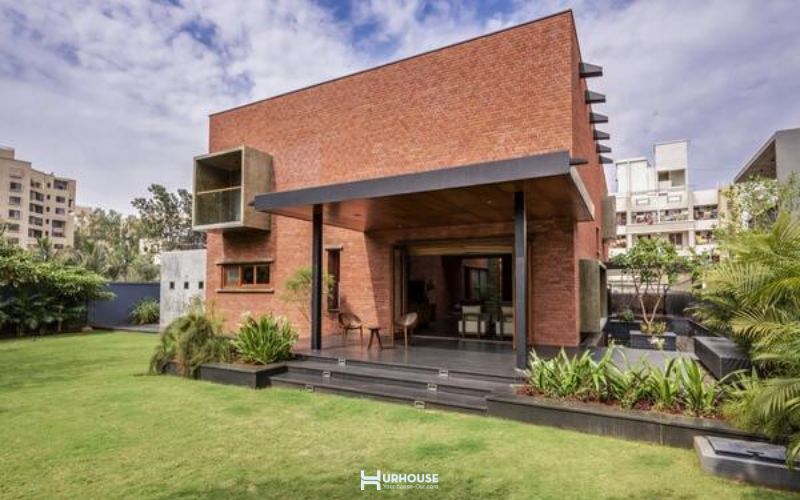
Traditional fired brick are also widely used in garden house architecture today
Fired bricks have long been a familiar symbol in Vietnamese garden house architecture. With relatively low construction costs and good resistance to harsh weather conditions, fired bricks are the perfect choice for those who love rustic beauty, close to nature. In garden house architecture, fired bricks are often used for building walls, decorating walkways, and creating small, charming courtyards. In addition to their natural colors and texture, the bricks help regulate the air, providing a cool atmosphere in summer and warmth in winter.
Conclusion
